

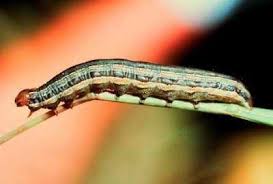
The armyworm (Spodoptera exempta) is a very deleterious pest, capable of destroying entire crops in a matter of weeks. The larvae feed on all types of grasses, early stages of cereal crops (e.g., corn, rice, wheat, millet, sorghum), sugar cane, and occasionally on coconut. The armyworm gets its name from its habit of "marching" in large numbers from grasslands into crops. African armyworms tend to occur at very high densities during the rainy season, especially after periods of prolonged drought. During the long dry season in eastern Africa, population densities are very low. Because outbreaks are never observed during the dry season, it is called the "off-season" by those who monitor armyworms.
Armyworm
Environment & Biology 538 views
What links here
Tags
fact
More in Environment & Biology
- Epworth balancing rocksWhy Visit There are some extraordinary shaped rocks although on a much smaller scale than those in the Matobo National Park near Bulawayo. The balancing rocks are close to Harare. There are some enigm...
- HyenaScientific name: Crocuta crocuta (spotted hyena) Weight: 90 to 190 lb. Size: 28 to 35 in. tallLife span: Up to 25 years in captivityHabitat: Savannas, grasslands, woodlands, forest edges, subdeserts,....
- HoopoeType: Aves Order: Bucerotiformes Diet: Insects, small reptiles, frogs and plant matter Size: 25-32cm long with a 44-48cm wingspan Weight: Varies between 46-89 grams Protection Status: Least Concern De...
- The Big Tree1.The Red Mahogany in the Chirinda Rain Forest The Big Tree in Chirinda Forest is the tallest native or indigenous tree in Zimbabwe, and a declared National Monument. The tree is 65 m tall and measure...
- Cornish JackLength: Cornish Jack can grow to a maximum length of 1,5 meters. Name: The common name "Cornish jack" likely originated from European settlers, who thought that this fish resembled the European pike,....
- Puff AdderType: Reptile Diet: Rodents, birds, other snakesSize: Length: Fat snake about 1,5m long Weight: Protection Status: Status: Least Concern Places in which they are found in Zimbabwe: Usually found in mo...