








Environment & Biology
Reference articles, profiles and guides about Zimbabwe. 327 articles
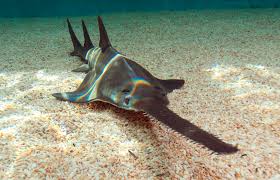 Saw Fish in ZimbabweBiology: All sawfishes are marine species, but Large tooth Sawfish also spend part of their lives in rivers. Rivers are important nursery areas for Large tooth Sawfish. The Green Sawfish can live for....Environment & Biology4 October 2017
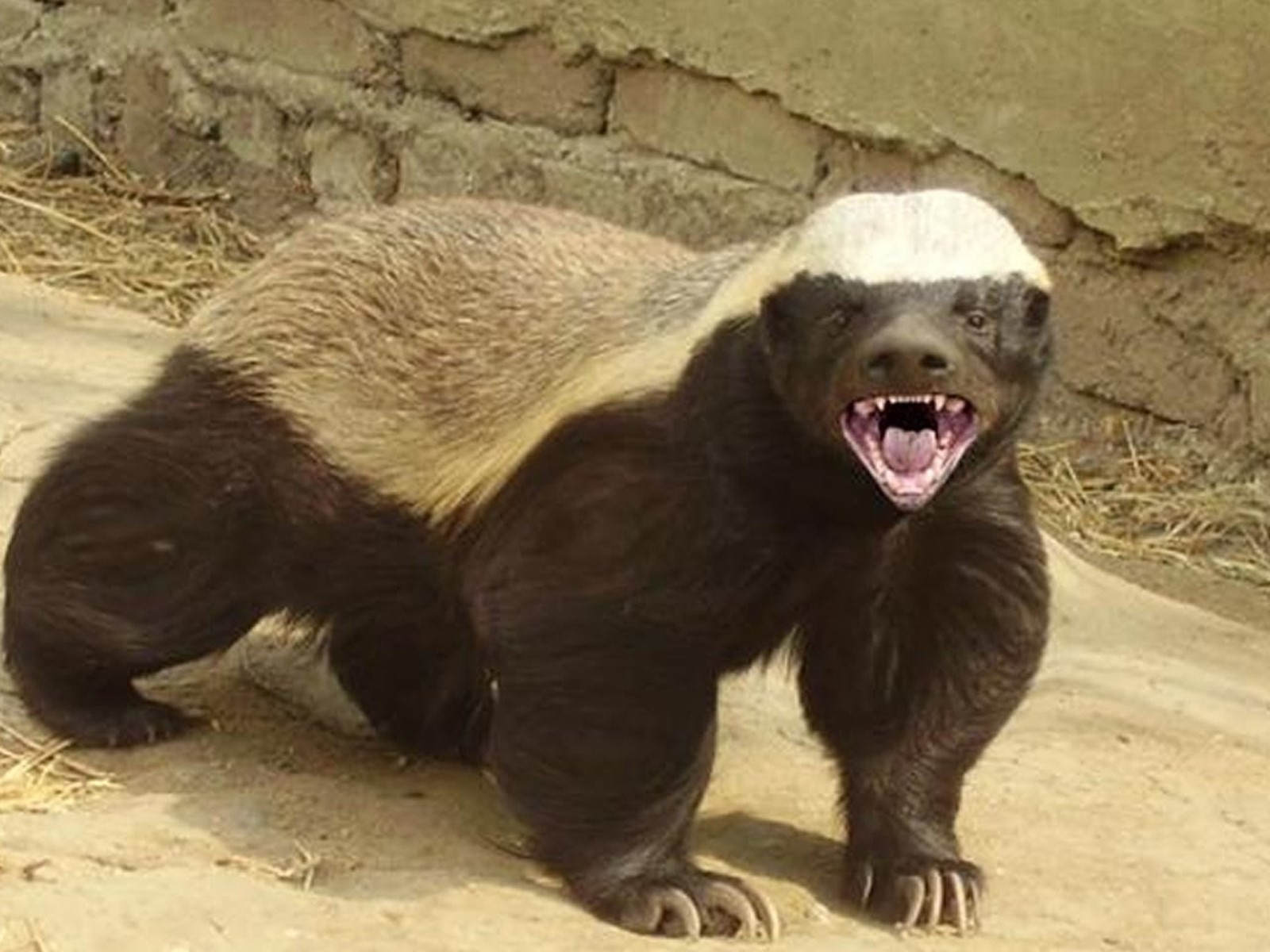 Why you shouldn't mess with a Honey BadgerThe honey badger, also known as the ratel, is the only species in the mustelid subfamily Mellivorinae and its only genus Mellivora. It is native to Africa, Southwest Asia, and the Indian subcontinent....Environment & Biology3 October 2017
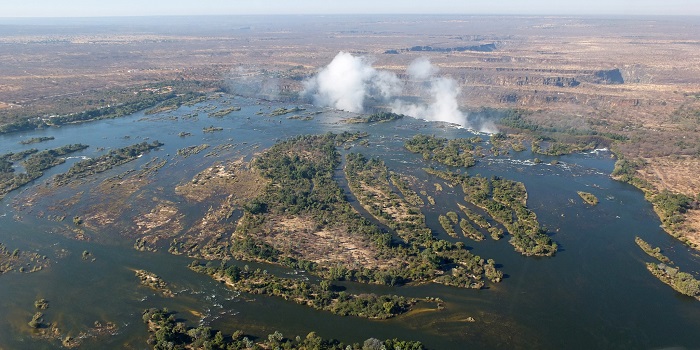 10 things you didn't know about Zambezi RiverCelebrating this iconic river, we have put together a list of little-known facts: It’s the 4th largest river in Africa With a total catchment basically covering 1 390 000km² and a length of approximat...Environment & Biology29 September 2017
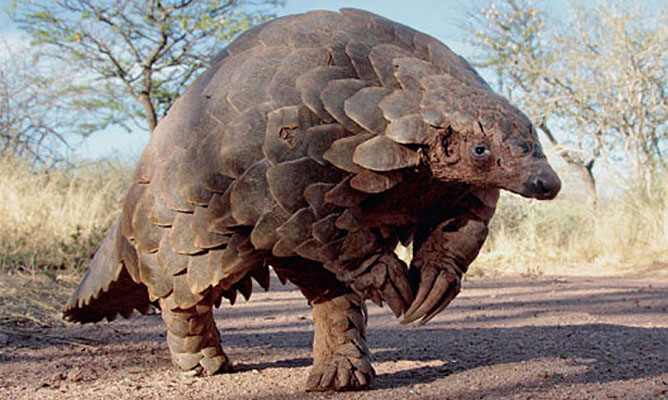 Pangolins in ZimbabweOverview: These burrowing mammals eat ants and termites using an extraordinarily long, sticky tongue and are able to quickly roll themselves up into a tight ball when threatened. Eight different pango...Environment & Biology28 September 2017
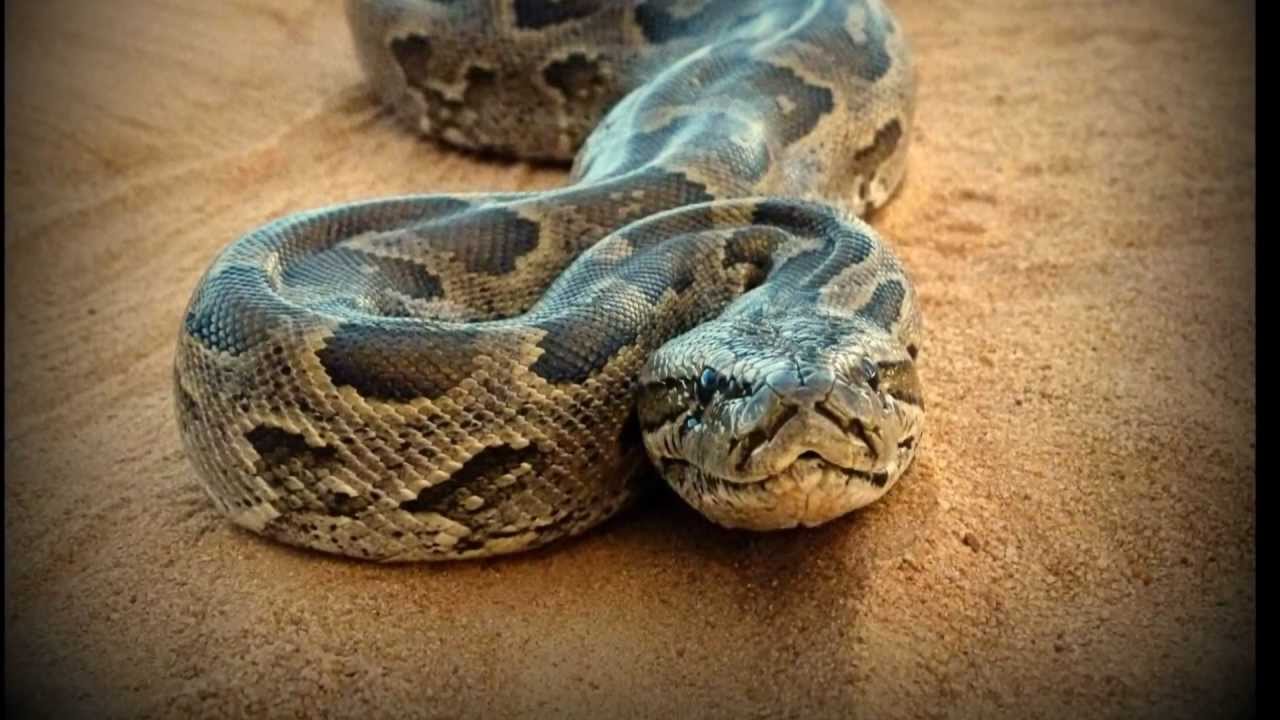 The Kind of Snakes you can expect in Victoria FallsSCHLEGAL’S (BEAKED) BLIND SNAKE Rhinotyphlops schlegelii (subspecies mucruso) Moderate sized, robust bodied snake (up to 60 cm). Blue-grey to black, with pale centred scales. Pale below. Covered with....Environment & Biology26 September 2017
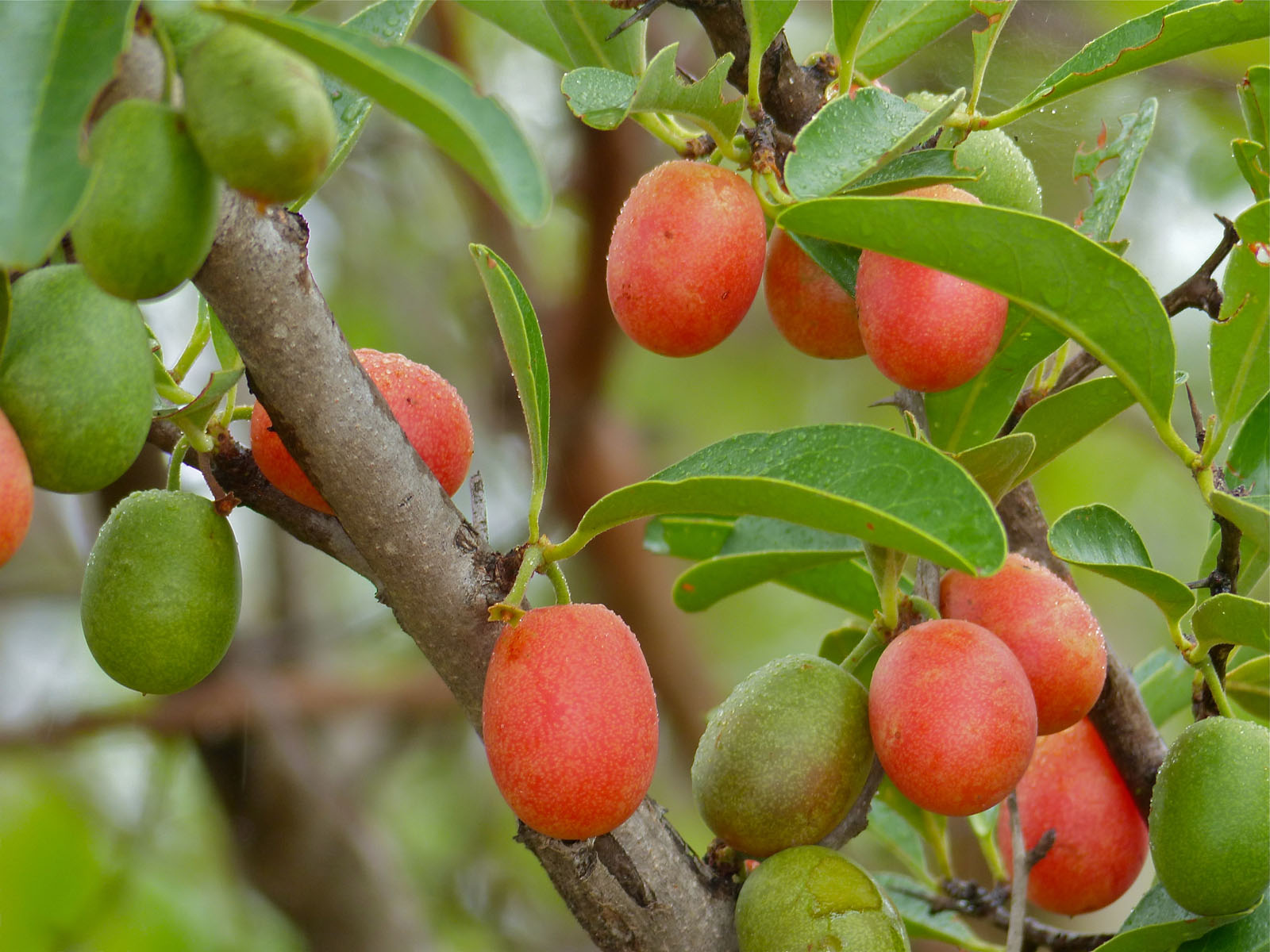 The Splendour of Wild Sour PlumsBoth species, drought resistant, thorny shrubs or small trees, are widespread across Zimbabwe, found at low altitudes in woodlands, grassy savannah and rocky outcrops. Their sour fruits resemble plums...Environment & Biology20 September 2017
 Become a Better Photographer - with Mashonaland Photographic SocietyDecent equipment is essential if one intends to get quality images. Most serious wildlife photographers have more than one camera and a selection of lenses. Switching lenses on a camera not only takes...Environment & Biology19 September 2017
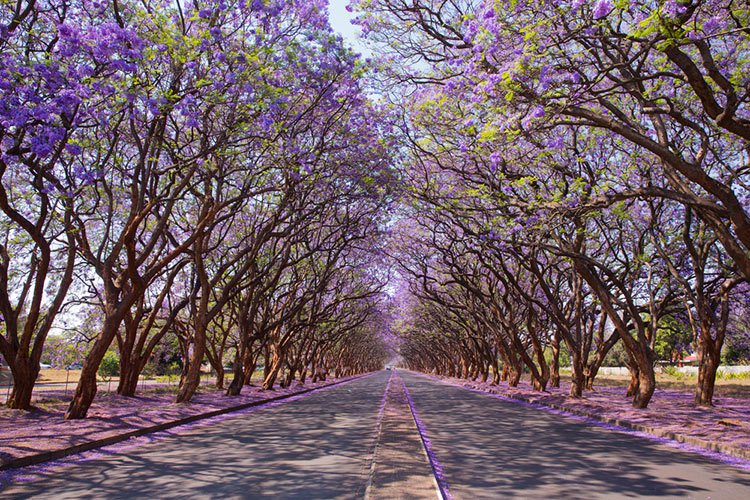 What you didn't know about the most hated, beautiful tree in summer, the JacarandaThe Jacaranda is a genus of 49 species of flowering plants in the family Bignoaceae, which is native to the family Bignoniaceae. The Blue Jacaranda, which is the species we know in Zimbabwe, thrives i...Environment & Biology14 September 2017
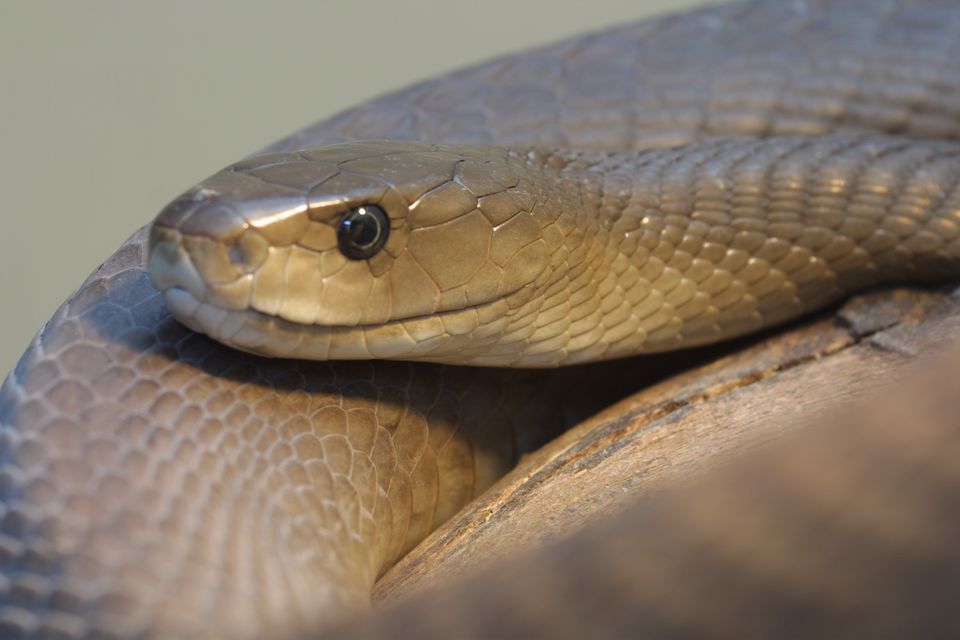 A Top Eight List of Africa's Most Dangerous SnakesIt is important to remember that although snakes must be treated with respect, the majority of snake species are not venomous. Even those that are will typically try to avoid contact with humans rathe...Environment & Biology5 September 2017
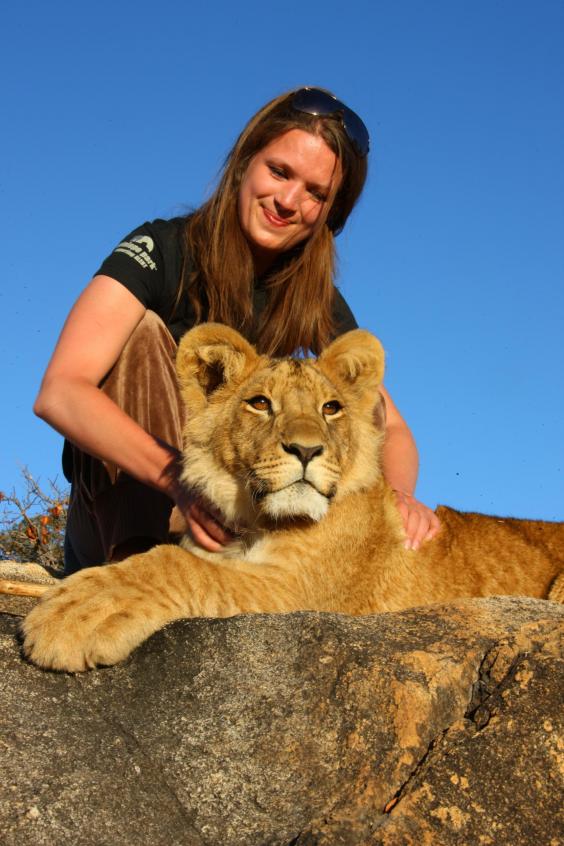 What its like walking with the lions in ZimbabweThe number of African lions has halved in the past 25 years, so charities are breeding them in captivity, introducing the cubs to stalking and hunting, before they are released into an enclosed reserv...Environment & Biology4 September 2017
 Reptiles and Frogs of Eastern HighlandsGeography and climate The Eastern Highlands extend 300 kilometers (190 mi) along Zimbabwe's eastern border with Mozambique. There are two broadly defined high-altitude ecological habitats in the Easte...Environment & Biology29 August 2017
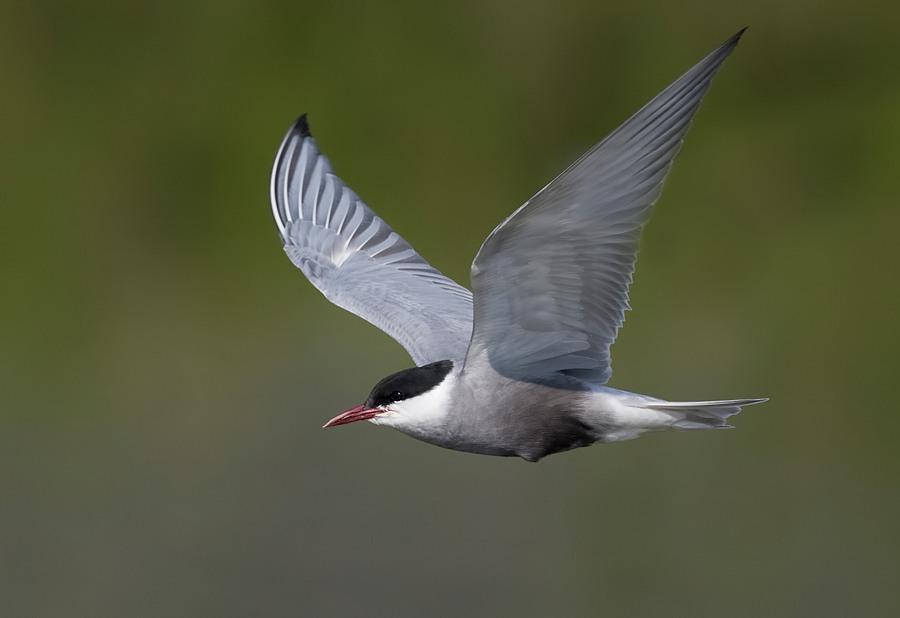 Whiskered TernType: Aves Order: Charadriiformes Diet: Small fish, amphibians, insects and crustaceans Size: Medium to large Weight: Protection Status: General Background:Environment & Biology17 August 2017
- Ornate Frog (Hildebrandtia Ornata)The ornate frog has variable bold symmetrical patterns in green, orange, brown and white. It has horizontal pupils and a black throat with a pair of broad white Y-shaped stripes. It has a long nasal q...Environment & Biology21 July 2017
- Ornate FrogThe ornate frog (Hildebrandtia Ornata) has variable bold symmetrical patterns in green, orange, brown and white. It also has horizontal pupils and a black throat with a pair of broad white Y-shaped st...Environment & Biology12 July 2017
- Inyanga ToadThe Inyanga toad or Inyangani toad (Vandijkophrynus inyangae) is a species of toad in the family Bufonidae. It is known from the Inyanga Mountains of Eastern Zimbabwe. Natural habitats of these toads....Environment & Biology11 July 2017
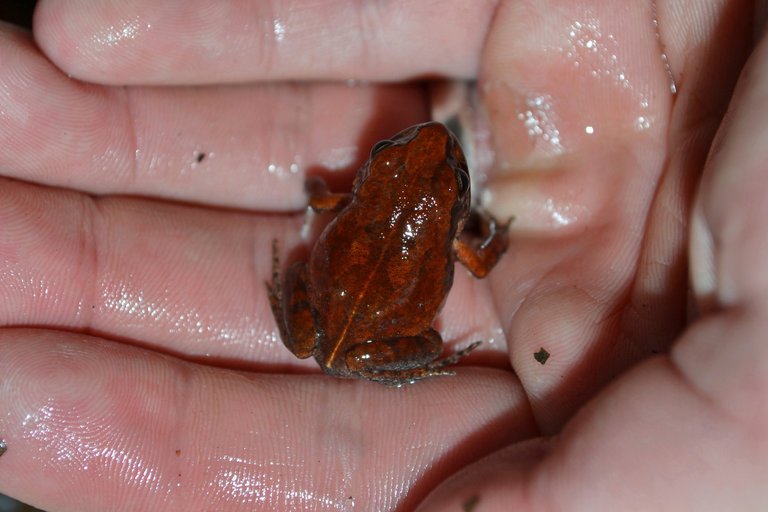 Cave SqueakerThe Arthroleptis troglodytes, also known as the “cave squeaker” because of its preferred habitat, was discovered in 1962, but there had no reported sightings since then such that an international red....Environment & Biology11 July 2017
 Frogs of ZimbabweFrogs found in Zimbabwe: African Bullfrog Toads Cave Squeaker Highland Rain Frog Inyanga Toad Matetsi Reed Frog Inyanga River Frog Plantannas Shovel-Nosed Frogs Kassinas Reed & Foam Nest Frogs Rain Fr...Environment & Biology17 February 2017
- Environment & BiologyZimbabwe has a diverse environment and biology.Environment & Biology10 February 2017
 Zambezi EscarpmentThey are fault scarps, rising 500 to 600 m higher than the lake or river, running from the Batoka Gorge roughly 800 km to the lower Zambezi, and facing each other about 50 to 100 km apart, closer in t...Environment & Biology10 February 2017
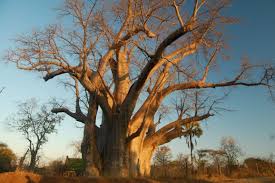 Big Tree (Victoria Falls)The tree is of the species Adansonia digitata in Zimbabwe, is close to the Victoria Falls. It has sometimes been called Livingstone’s tree erroneously. Unusually for a baobab it has both an impressive...Environment & Biology9 February 2017
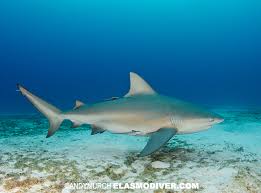 Zambezi SharkThe shark grows to a maximum length of 3.5 metres, but is usually 2.2-2.3 metres long. It is found in tropical and subtropical coastal waters worldwide, as well as river systems and freshwater lakes.....Environment & Biology2 February 2017
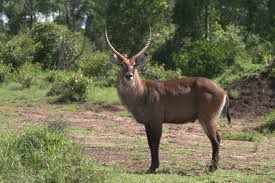 WaterbuckType: Mammal Diet: Waterbucks are mainly graze grass near permanent water sources. They will browse when grass cover is in a poor condition. The Waterbuck is very dependent on water and will drink dai...Environment & Biology2 February 2017
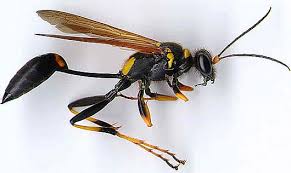 WaspThe Apocrita have a common evolutionary ancestor and form a clade; wasps as a group do not form a clade, but are paraphyletic with respect to bees and ants. Wasp species which occur in Zimbabwe:Environment & Biology2 February 2017
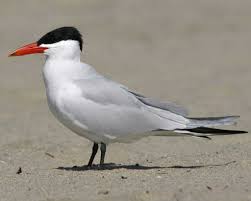 TernsType: Aves Order: Charadriiformes Diet: Fish and insects Size: Medium to large Weight: Protection Status: General Background: There are 44 species of these seabirds worldwide and 5 occur in Zimbabwe T...Environment & Biology31 January 2017