








Environment & Biology
Reference articles, profiles and guides about Zimbabwe. 327 articles
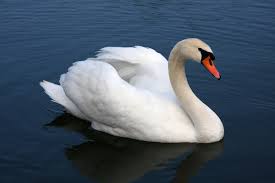 SwansThe swans' close relatives include the geese and ducks. Swans are grouped with the closely related geese in the subfamily Anserinae where they form the tribe Cygnini. Sometimes, they are considered a....Environment & Biology31 January 2017
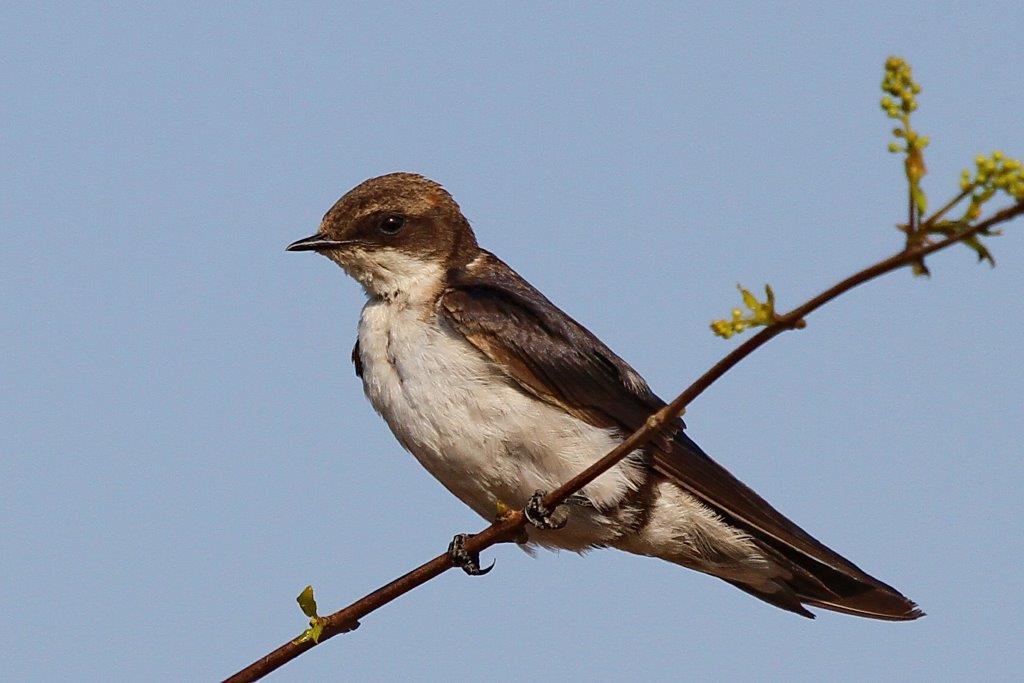 Swallows and MartinsType: Aves Order: Passeriformes Diet: Size: Weight: Protection Status: Least Concern General Background: Their feet are adapted to perching rather than walking, and the front toes are partially joined...Environment & Biology31 January 2017
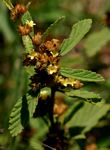 Sterculiaceae- Sterculia familyDescription of the family: Herbs, shrubs or trees. Stipules usually present. Leaves usually alternate, simple or digitately compound. Flowers bisexual, unisexual or polygamous, actinomorphic. Calyx ±....Environment & Biology30 January 2017
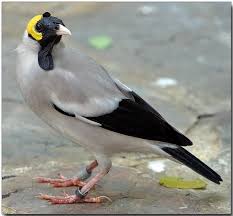 StarlingsType: Aves Order: Passeriformes Diet: Insects and fruit Size: Weight: Protection Status: Least Concern General Background: There are 152 starling species worldwide and 12 species occur in Zimbabwe. St...Environment & Biology30 January 2017
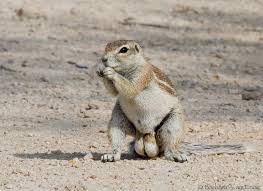 SquirrelType: Mammal Diet: Feeds on grasses, roots, shrubs, fruits, seeds, and sometimes, they feed on insects. Size: Length ranges between 28 and 38 cm Weight: Weigh anything between 500 and 1100 grams Prote...Environment & Biology30 January 2017
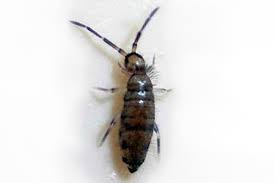 SpringtailsSpringtails are tiny insects. Their size ranges from 0.25 to 6 mm. They get their name from a spring-loaded structure, called the furcula, located on the underside of their abdomen. When the insect is...Environment & Biology30 January 2017
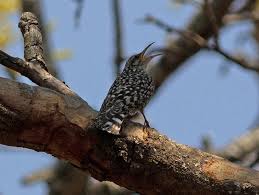 Spotted CreeperType: Aves Order: Passeriformes Diet: Size: Length of up to 15cm Weight: Weighs up to 16cm Protection Status: General Background: The bird is a member of the subfamily Salpornithinae of the treecreepe...Environment & Biology30 January 2017
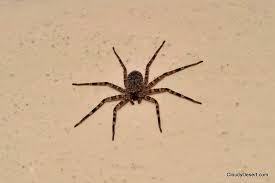 SpiderThey are the largest order of arachnids and rank seventh in total species diversity among all other orders of organisms. Spiders are found worldwide on every continent except for Antarctica, and have....Environment & Biology30 January 2017
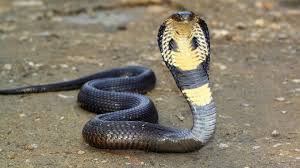 SnakeThey can be distinguished from legless lizards by their lack of eyelids and external ears. Like all squamates, snakes are ectothermic, amniote vertebrates covered in overlapping scales. Many species o...Environment & Biology30 January 2017
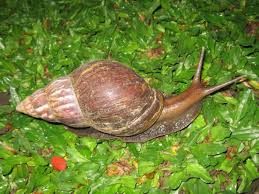 SnailsSnails are gastropod mollusks; members of the phylum Mollusca and the class Gastropoda.When they feel threatened, they usually retreat into their shell to protect themselves. The largest land snail is...Environment & Biology30 January 2017
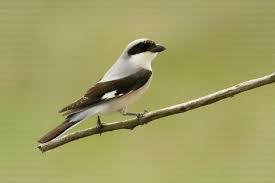 ShrikesThe birds are known for their habit of catching other birds and small animals and impaling the uneaten portions of their bodies on thorns. A typical shrike's beak is hooked, like a bird of prey. There...Environment & Biology28 January 2017
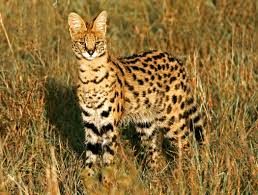 ServalType: Mammal Order: Carnivora Diet: Carnivorous Size: 54-62cm Weight: 9-18kgs Habitat: Savannas Lifespan: Up to 20 years in captivitty Protection Status: Least Concern General Background: Servals are....Environment & Biology27 January 2017
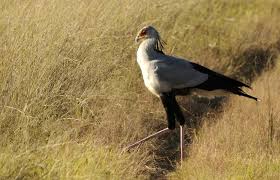 Secretary BirdType: Aves Order: Accipitriformes Diet: Insects and mammals ranging in size from mice to hares and mongoose, crabs, lizards, snakes, tortoises, young birds, bird eggs, and sometimes dead animals kille...Environment & Biology26 January 2017
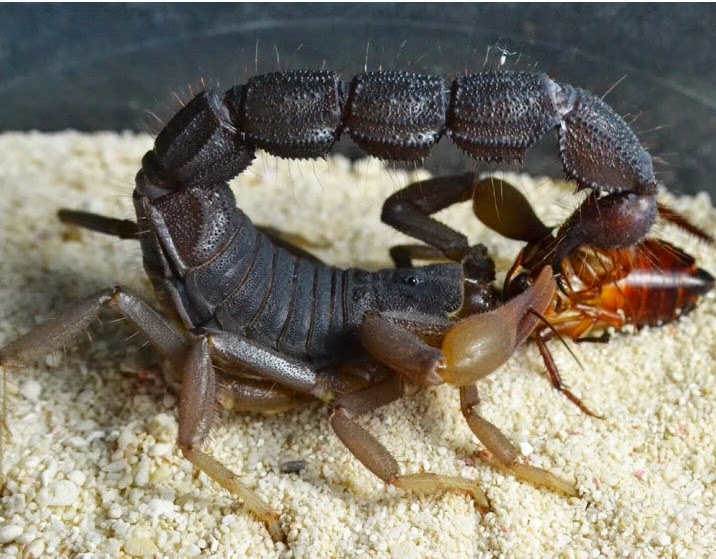 Parabuthus transvaalicusIt measures between 85-150 mm length, and is one of the largest thick tailed scorpions in the world capable of releasing more venom than any other scorpion species. When disturbed it can spray venom f...Environment & Biology26 January 2017
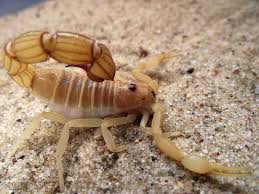 Parabuthus raudusIt measures between 75-140 mm in length, and has a black end to its tail which is lacking in P. mossambicensis. P.raudus is only found in the Kalahari sand system where it digs shallow burrows at the....Environment & Biology26 January 2017
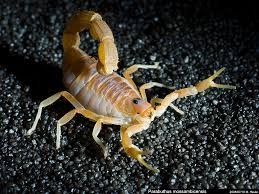 Parabuthus mossambicensisIt measures between 60-90 mm in length, which constructs a shallow burrow (10-30mm deep) usually under rocks. It has been known to spray it’s venom.Environment & Biology26 January 2017
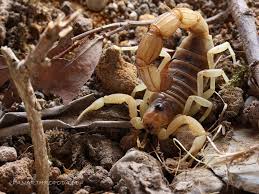 Parabuthus kuanyamarumIt is one of the smaller species of Parabuthus and has only recently been collected in Zimbabwe. It burrows into the sand dunes of the Kalahari sand system. It has never been found under rocks in sand...Environment & Biology26 January 2017
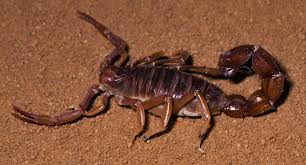 Parabuthus granulatusP. granulatus lives in burrow excavations at the base of shrubs and under stones in consolidated sandy soils. It actively forages for prey and is highly aggressive. It is the most venomous scorpion in...Environment & Biology26 January 2017
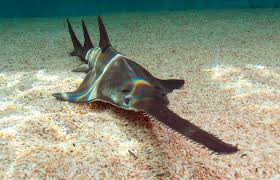 SawfishUnlike the rest of the cartilaginous fishes, sawfish have evolved a long snout edged with special teeth. The saw-like snout, called a rostrum, can be used in a back and forth swiping motion to cut pre...Environment & Biology26 January 2017
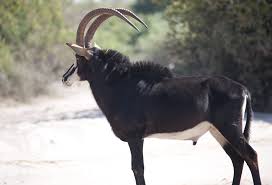 SableType: Mammal Order: Artiodactyla Diet: Herbivorous Size: Males reach about 117–140 cm at the shoulder, while females are slightly shorter. Weight: Males typically weigh 235 kg and females 220 kg Habit...Environment & Biology26 January 2017
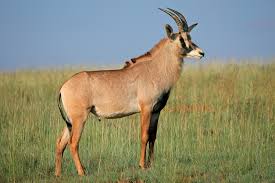 RoanType: Mammal Order: Artiodactyla Diet: Herbivorous Size: 1.4m at the shoulder Weight: Bulls weigh 270kgs, cows are smaller and weigh between 170 to 210kgs. Habitat: Grassland and open savanna Lifespan...Environment & Biology26 January 2017
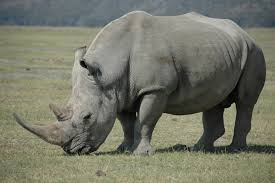 RhinocerosRhinoceroses are part of the Big Five in Zimbabwe which includes the lion, elephant, buffalo and leopard. Type: Mammalia Order Perissodactyla Diet: Herbivorous Size: White Rhinoceros 1.7m-1.8m Black R...Environment & Biology25 January 2017
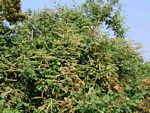 Rhamnaceae - Buffalo-thorn familyDescription of the family: Trees, shrubs, suffrutices or lianes; branches sometimes with coiled tendrils (Gouania and Helinus). Stipules present, sometimes spiny. Leaves alternate (sometimes opposite....Environment & Biology25 January 2017
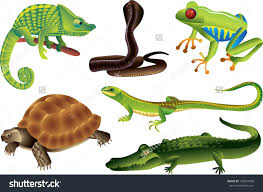 Reptiles of ZimbabweBeing cold-blooded means that their bodies react to the temperature of their surroundings. When they get too warm, they can go into the water or shade to cool off. Reptiles found in Zimbabwe: Adder Am...Environment & Biology25 January 2017