








Environment & Biology
Reference articles, profiles and guides about Zimbabwe. 327 articles
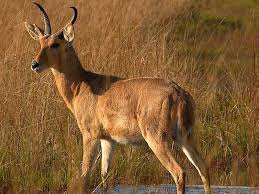 ReedbuckAppearance Weighs up to 70 Kg and rams have a 950mm shoulder height. Ewes are smaller and only measure 800 mm at the shoulders and weigh about 51 Kg. Pelage is grey-brown with white underpants. Tail i...Environment & Biology24 January 2017
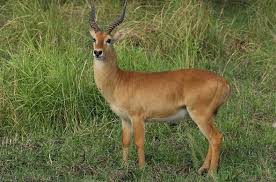 PukuPuku stand about 80 cm at the shoulder and weigh from 70 to 80 kg. The puku is sandy brown in colour, with the underbelly a slightly lighter brown. The coat is rougher than the similar-sized southern....Environment & Biology23 January 2017
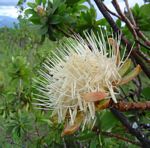 Proteaceae - Protea familyDescription of the family: Trees, shrubs or suffrutices. Stipules 0. Leaves alternate (in ours), simple, entire to toothed or pinnatifid (Grevillea). Inflorescence a raceme, spike or head. Flowers bis...Environment & Biology23 January 2017
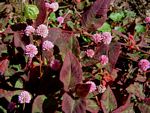 Polygonaceae - Knotweed familyDescription of the family: Herbs (mostly, in ours), shrubs, climbers or rarely trees. Stems usually with sheathing stipules (ochreae). Leaves simple, alternate (rarely subopposite). Flowers actinomorp...Environment & Biology23 January 2017
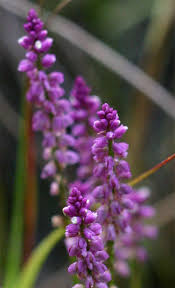 Polygalaceae - Milkwort familyDescription of the family: Small trees, shrubs or perennial or annual herbs. Stipules usually 0, but sometimes present and if so, small and gland-like. Leaves alternate (in ours), simple, entire. Sepa...Environment & Biology23 January 2017
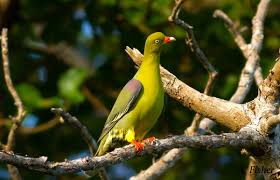 Pigeons and DovesPigeons and doves are stout-bodied birds with short necks, and short slender bills (and in some species, these bills feature fleshy ceres). They primarily feed on seeds, fruits, and plants. This famil...Environment & Biology23 January 2017
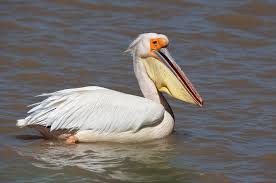 PelicansType: Aves Order: Pelecaniformes Family: Pelecanidae General Background: Pelicans are large water birds with a distinctive pouch under their beak. As with other members of the order Pelecaniformes, th...Environment & Biology19 January 2017
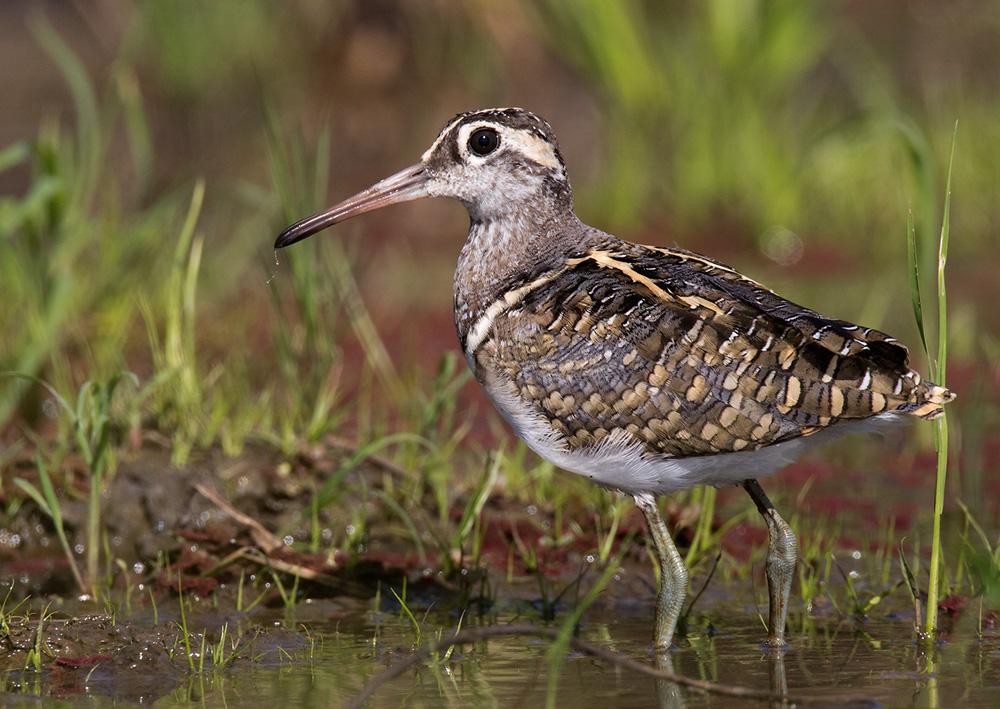 Painted SnipeType: Aves Order: Charadriiformes Family: Rostratulidae The species which occurs in Zimbabwe: Greater painted-snipe, Rostratula benghalensisEnvironment & Biology19 January 2017
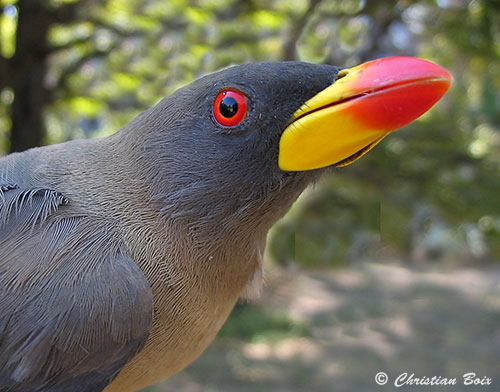 OxpeckerThe oxpeckers are two species of bird which make up the family Buphagidae. Some ornithologists regard them as a subfamily Buphaginae within the starling family, Sturnidae, but they appear to be quite....Environment & Biology19 January 2017
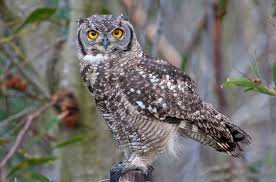 Typical OwlsOwls are birds from the order Strigiformes, which includes about 200 species of mostly solitary and nocturnal birds of prey typified by an upright stance, a large, broad head, binocular vision, binaur...Environment & Biology19 January 2017
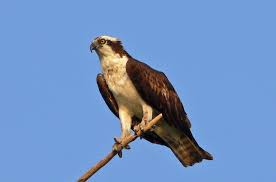 OspreyType: Aves Order: Accipitriformes Family: Pandionidae General Background: The Pandionidae family contains only one species, the osprey. The osprey (Pandion haliaetus) — also called fish eagle, sea haw...Environment & Biology19 January 2017
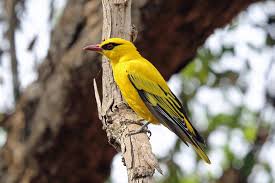 Old World OriolesType: Aves Order: Passeriformes Diet: Size: Weight: Protection Status: Least Concern General Background: They are not related to the New World orioles. There are 29 species worldwide and 4 species whi...Environment & Biology19 January 2017
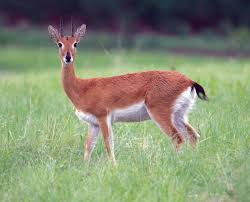 OribiThe sole member of its genus, the oribi was first described by the German zoologist Eberhard August Wilhelm von Zimmermann in 1782. Eight subspecies are identified. The oribi reaches nearly 50–67 cent...Environment & Biology19 January 2017
 Orchidaceae - Orchid familyPerennial, terrestrial or epiphytic herbs with rhizomes, tubers or corms. Stems sometimes swollen at the base (pseudobulbs). Leaves alternate or rarely opposite (e.g. some spp. of Disperis), entire. I...Environment & Biology18 January 2017
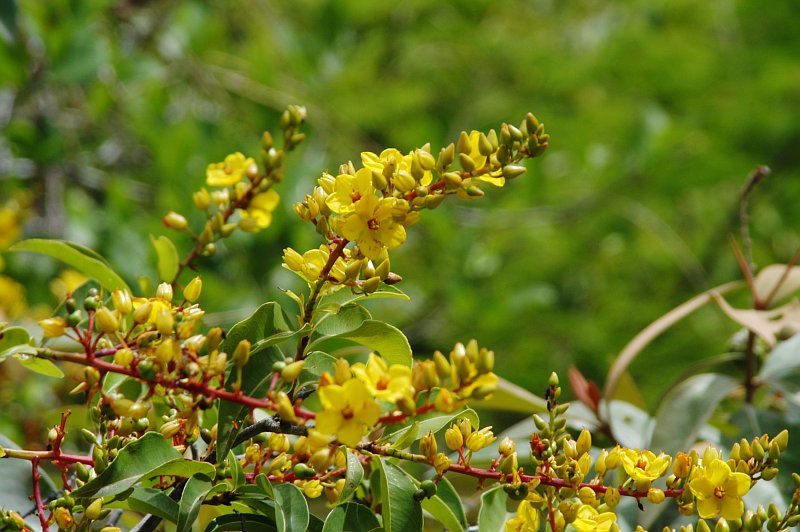 Ochnaceae-Ochna familyDescription of the family: Trees or shrubs, sometimes very small and rhizomatous. Stipules present. Leaves alternate, simple. Flowers bisexual, actinomorphic, (rarely ± zygomorphic); pedicels usually....Environment & Biology18 January 2017
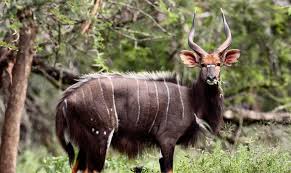 NyalaThe nyala (Tragelaphus angasii), also called inyala, is a spiral-horned antelope. It is a species of the family Bovidae and genus Nyala, also considered to be in the genus Tragelaphus. It was first de...Environment & Biology18 January 2017
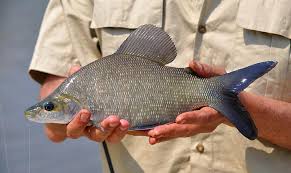 NkupeType: Actinopterygii Diet: Omnivorous, feeds on insects, snails, small fish and aquaic plants Order: Characiformes Size: Maximum length 57cm Weight: Average weight of 3kg fish weighing 8kg have been r...Environment & Biology18 January 2017
 Moraceae - Fig familyDescription of the family: Trees, shrubs or herbs (Dorstenia only), dioecious or monoecious; sap milky, very occasionally watery (e.g. in Ficus capreifolia). Stipules present. Leaves alternate, rarely...Environment & Biology9 January 2017
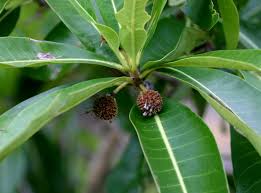 Rubiaceae - Coffee familyDescription of the family: Trees, shrubs, annual or perennial herbs or climbers. Leaves simple, opposite or in whorls, entire.Stipules present, usually interpetiolar, less often intrapetiolar, entire....Environment & Biology4 January 2017
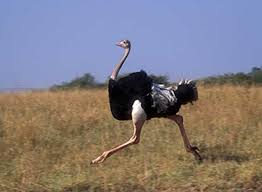 OstrichThe bird is equipped with long, muscular legs built for running. They have only two toes on each foot which allow for greater speed. They can reach a high speed of 70km/h.Environment & Biology4 January 2017
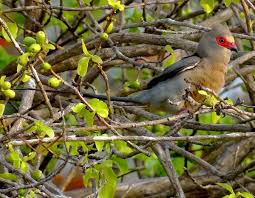 MousebirdsMousebirds, sometimes called colies, are an ancient group of small arboreal birds in Africa. The mousebirds are slender greyish or brown birds with soft, hairlike body feathers and very long thin tail...Environment & Biology3 January 2017
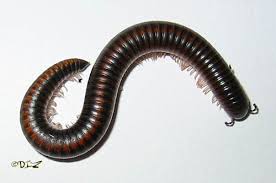 MillipedesThey are characterised by having two pairs of jointed legs on most body segments; they are known scientifically as the class Diplopoda, the name being derived from this feature. Each double-legged seg...Environment & Biology2 January 2017
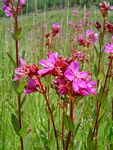 Melastomataceae- Tibouchina familyDescription of the family: Trees, shrubs or herbs. Stems square. Stipules 0. Leaves opposite or sometimes whorled, simple, typically with 3-7 prominent sunken veins. Flowers in cymes, bisexual, actino...Environment & Biology2 January 2017
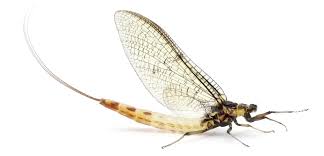 MayfliesMayflies are aquatic insects belonging to the order Ephemeroptera. This order is part of an ancient group of insects termed the Palaeoptera, which also contains dragonflies and damselflies. Over 3,000...Environment & Biology30 December 2016