





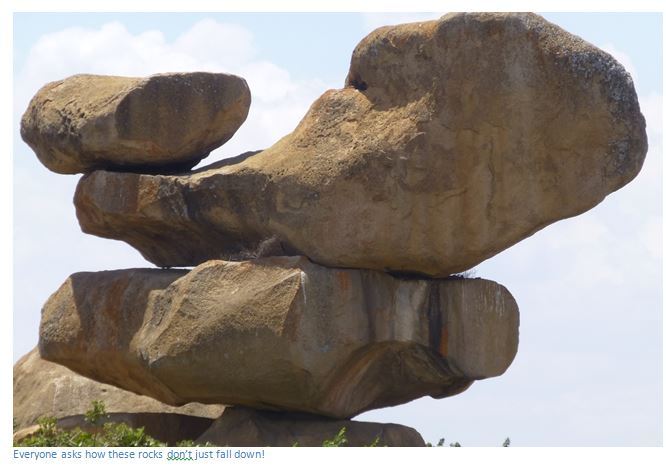




Environment & Biology
Reference articles, profiles and guides about Zimbabwe. 327 articles
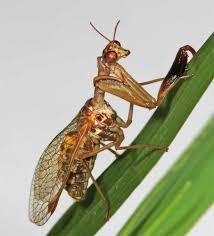 MantispasThese insects are in the order Neuroptera. There are many genera with around 400 species worldwide. Species found in Zimbabwe:Environment & Biology28 December 2016
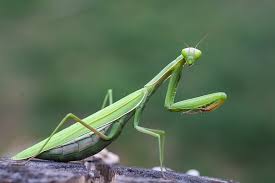 MantidsCharacteristics: Praying mantids are often easily recognised due to their large size, which can range from 10 to 120 millimetres in body length and their characteristic way of standing with forelegs h...Environment & Biology28 December 2016
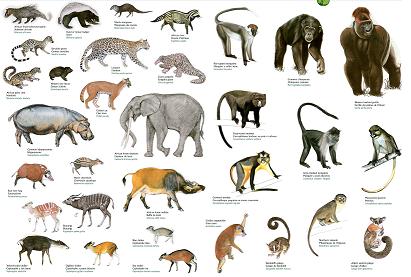 Mammals of ZimbabweMammals include humans and all other animals that are warm-blooded vertebrates (vertebrates have backbones) with hair. Mammals found in Zimbabwe: Aardwolf African Wild Cat Antbear Bat-Eared Fox Buffal...Environment & Biology27 December 2016
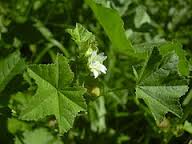 Malvaceae - Hibiscus familyDescription of the family: Herbs, shrubs or trees, usually with stellate hairs. Stipules present. Leaves alternate, often palmately divided. Flowers bisexual (rarely unisexual [in ours?]), actinomorph...Environment & Biology27 December 2016
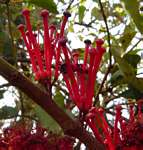 LoranthaceaeDescription of the family: Shrubs, hemiparasitic on the branches of woody dicotyledons, attached by woody haustoria, with or without surface runners producing secondary haustoria. Stems brittle, not a...Environment & Biology26 December 2016
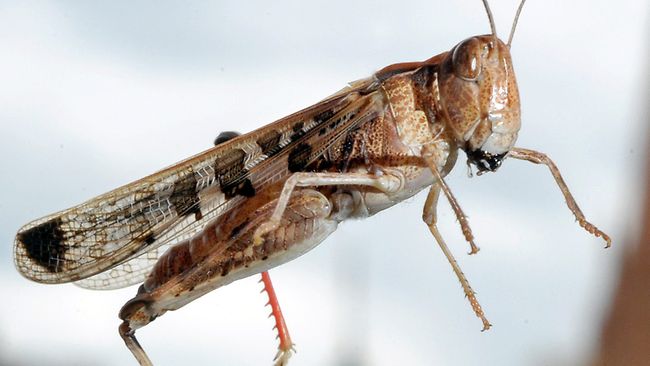 LocustsLocusts are certain species of short-horned grasshoppers in the family Acrididae that have a swarming phase. These insects are usually solitary, but under certain circumstances become more abundant an...Environment & Biology24 December 2016
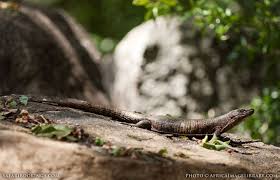 LizardsLizards are reptiles, or members of the class Reptilia, and are descendants of the dinosaurs that once ruled the Earth. They inhabit all of the continents apart from Antarctica, from sea level to heig...Environment & Biology24 December 2016
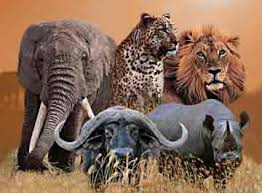 Big FiveIn Africa, the big five game animals are the African lion, African elephant, African buffalo, African leopard, and rhinoceros. The term "big five game" (usually capitalized or quoted as "Big Five") wa...Environment & Biology24 December 2016
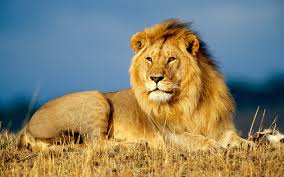 LionShona Name: Shumba Ndebele Name: Type: Mammalia Order: Carnivora Size: Weight: About 250kgs some males are known to exceed this weight. Protection Status: Vulnerable General Backgound: Lions are part....Environment & Biology24 December 2016
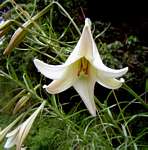 Liliaceae - Lily familyDescription of the family: Erect herbs. Rootstock a bulb with loose scales. Flowers borne on leafy, usually unbranched, stems. Leaves spiral, arranged along stem, sessile. Flowers bisexual, actinomorp...Environment & Biology24 December 2016
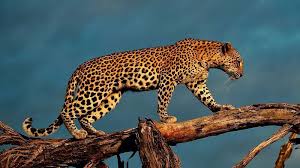 LeopardLeopards are part of the Big Five animals in Zimbabwe which includes the buffalo, elephant, rhinoceros and the lion. The leopard is one of the five "big cats" in the genus Panthera. It is a member of....Environment & Biology23 December 2016
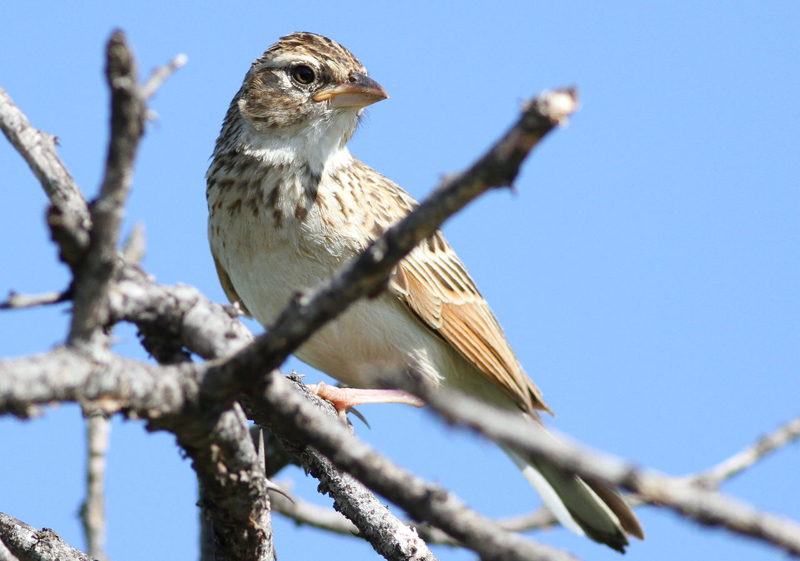 LarksShona Name: Ndebele Name: Type: Aves Order: Passeriformes Diet: Insects and seeds Size: Small birds Weight: Protection Status: Least Concern General Background: Larks are small terrestrial birds with....Environment & Biology23 December 2016
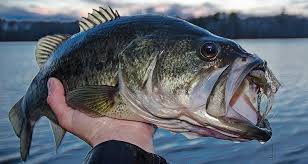 Largemouth BassZimbabwe is a red hot Bass fishing destination and home to some genuinely HUGE bass, in fact the largest Largemouth Bass caught outside of the USA and Mexico came from this country. The monster 8.2 kg...Environment & Biology23 December 2016
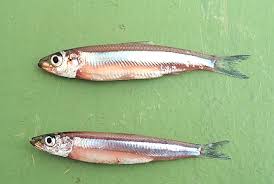 KapentaKapenta is really two species: Lake Tanganyika sardine, Limnothrissa miodon Lake Tanganyika sprat, Stolothrissa tanganicae Both of the species are small, planktivorous, pelagic, freshwater clupeid ori...Environment & Biology21 December 2016
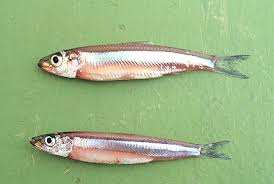 Lake Tanganyika SardineKapenta is really two species: Lake Tanganyika sardine, Limnothrissa miodon Lake Tanganyika sprat, Stolothrissa tanganicae Both of the species are small, planktivorous, pelagic, freshwater clupeid ori...Environment & Biology21 December 2016
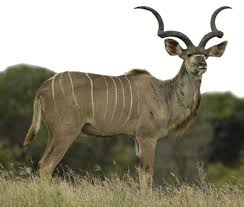 KuduGreater kudus have a narrow body with long legs, and their coats can range from brown/bluish grey to reddish brown. They possess between 4 and 12 vertical white stripes along their torso. The head ten...Environment & Biology21 December 2016
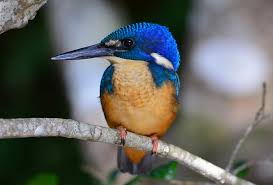 KingfisherShona Name: Ndebele Name: Type: Aves Order: Coraciiformes Diet: Kingfishers feed on a wide variety of prey mainly fish and at times frogs and other amphibians, annelid worms, insects, spiders, centipe...Environment & Biology20 December 2016
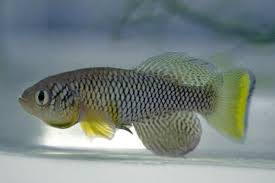 KillifishGeneral description: Killifish are a large family of freshwater fish comprising over a thousand different species. Most species are no more than an inch or two in size, and the largest species often o...Environment & Biology20 December 2016
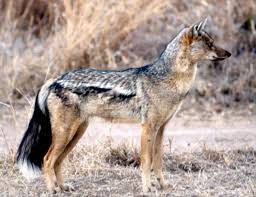 JackalWhile the word "jackal" has historically been used for many small canids, in modern use it most commonly refers to three species: the closely related black-backed jackal and side-striped jackal of sub...Environment & Biology19 December 2016
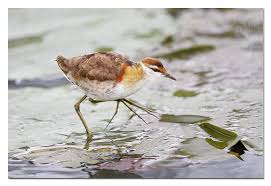 JacanasType: Aves Order: Charadriiformes Diet: Size: Weight: General Background: There are 8 species found around the globe and 2 species occur in Zimbabwe Jacana species found in Zimbabwe: Lesser jacana, Mi...Environment & Biology19 December 2016
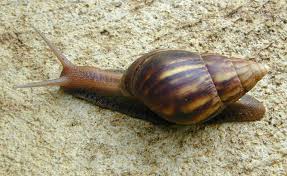 InvertebratesFamiliar examples of invertebrates include insects; crabs, lobsters and their kin; snails, clams, octopuses and their kin; starfish, sea-urchins and their kin; and worms. The majority of animal specie...Environment & Biology17 December 2016
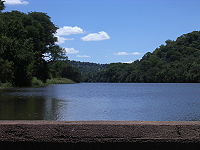 Insiza RiverIt rises near Fort Rixon, Insiza District, and flows into the Mzingwane river near West Nicholson.Environment & Biology17 December 2016
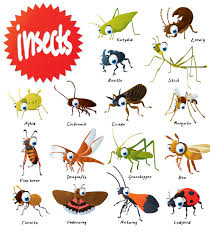 InsectsInsects are a class of invertebrates within the arthropod phylum that have a chitinous exoskeleton, a three-part body (head, thorax and abdomen), three pairs of jointed legs, compound eyes and one pai...Environment & Biology17 December 2016
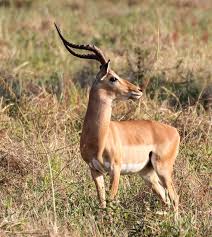 ImpalaType: Mammal Diet: Herbivore Size: Height at the shoulder 84 to 99 cm Weight: Ranges between 40 to 75 kg Protection status: Least Concern General Background: In the rainy season, when food is plentifu...Environment & Biology15 December 2016