







Environment & Biology
Reference articles, profiles and guides about Zimbabwe. 327 articles
 BatsBats are mammals of the order Chiroptera whose forelimbs form webbed wings, making them the only mammals naturally capable of true and sustained flight. By contrast, other mammals said to fly, such as...Environment & Biology13 November 2016
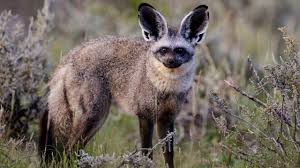 Bat-Eared FoxType: Mammal Order: Carnivore Diet: Termites Size: Shoulder length of 30cm and head to tail length 80cm Weight: Average weight between 3 and 5 kgs Protection Status: Least Concern General Background:....Environment & Biology13 November 2016
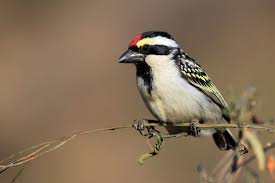 BarbetsType: Aves Diet: Size: Weight: Protection Status: Least Concern General Backgound: The barbets are plump birds, with short necks and large heads. There are 84 species worldwide and 7 species which occ...Environment & Biology13 November 2016
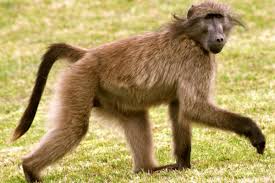 BaboonsBaboons are African and Arabian Old World monkeys belonging to the genus Papio, part of the subfamily Cercopithecinae. The five species are some of the largest non-hominoid members of the primate orde...Environment & Biology13 November 2016
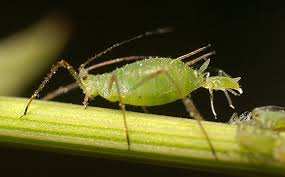 AphidsAphids, also known as plant lice, greenflies, blackflies, or whiteflies , are small sap-sucking insects, and members of the superfamily Aphidoidea. Many species are green but other commonly occurring....Environment & Biology13 November 2016
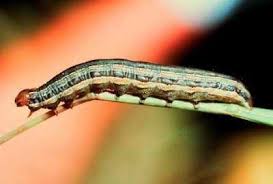 ArmywormThe armyworm (Spodoptera exempta) is a very deleterious pest, capable of destroying entire crops in a matter of weeks. The larvae feed on all types of grasses, early stages of cereal crops (e.g., corn...Environment & Biology12 November 2016
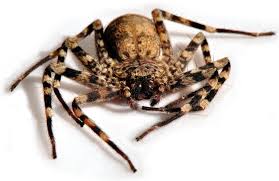 ArachnidsArachnids are a class (Arachnida) of joint-legged invertebrate animals (arthropods), in the subphylum Chelicerata. All arachnids have eight legs, although the front pair of legs in some species has co...Environment & Biology12 November 2016
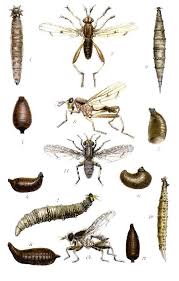 Aquatic InvertebratesAquatic invertebrates are small animals, such as insects, crustaceans, mollusks, and worms that live in water. Most invertebrates are found living in the stream bottom among the rocks and gravel. Many...Environment & Biology12 November 2016
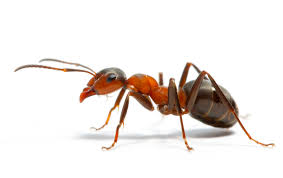 AntsAnts are eusocial insects of the family Formicidae and, along with the related wasps and bees, belong to the order Hymenoptera. Ants evolved from wasp-like ancestors in the Cretaceous period, about 99...Environment & Biology12 November 2016
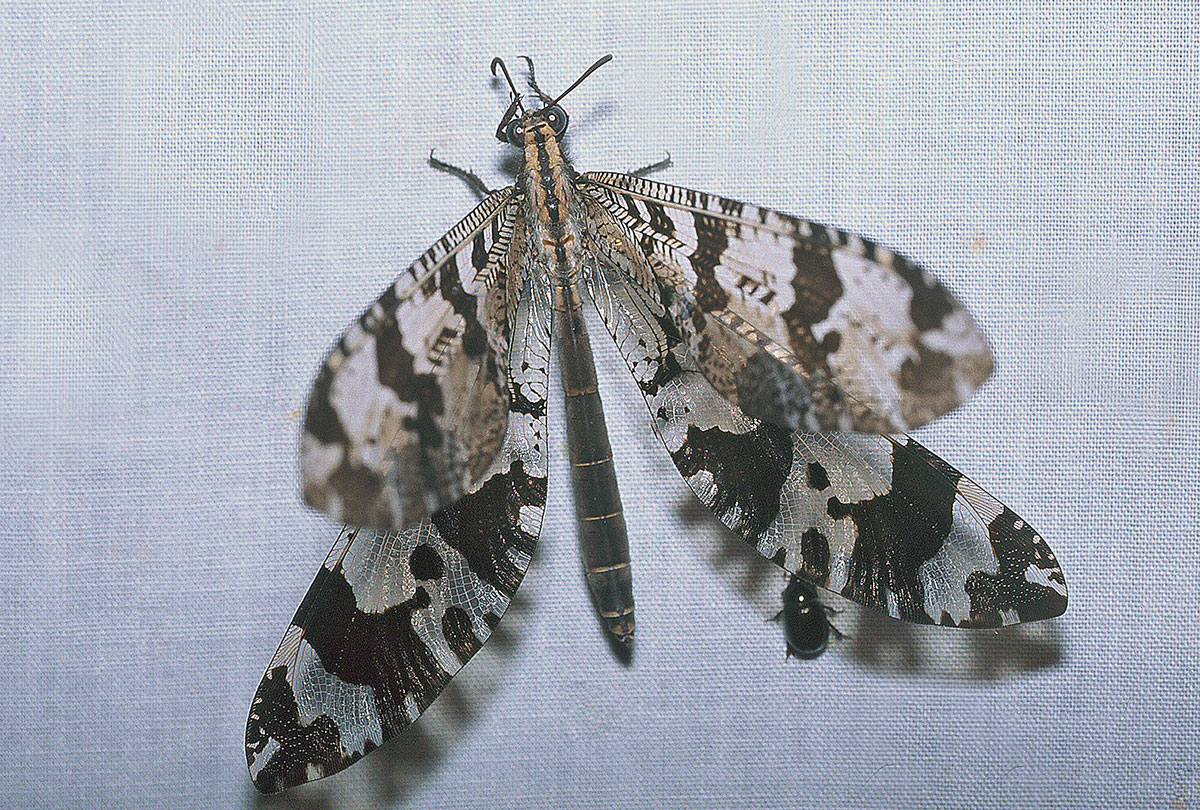 AntlionsThe antlions are a group of about 2,000 species of insect in the family Myrmeleontidae, known for the fiercely predatory habits of their larvae, which in many species dig pits to trap passing ants or....Environment & Biology12 November 2016
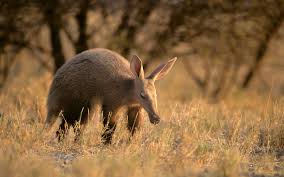 AntbearOther Names: Aardvark Sambani Sambane Type: Mammal Diet: Termites and ants Size: Length is usually between 1.6m and it can reach lengths of 2.2 metres when its tail (which can be up to 60-70 centimetr...Environment & Biology12 November 2016
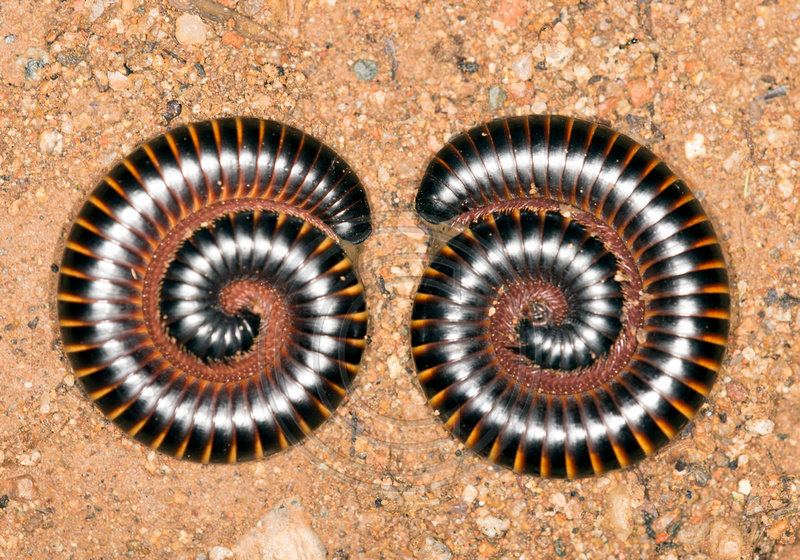 ArthropodAn arthropod (from Greek arthro-, joint + podos, foot) is an invertebrate animal having an exoskeleton (external skeleton), a segmented body, and jointed appendages (paired appendages). Arthropods for...Environment & Biology12 November 2016
 AmphisbaeniansThe Amphisbaenia are a poorly known group of limbless burrowing squamates, called amphisbaenians, or worm lizards.The term amphisbaenia means double moving and in the local Zimbabwean language they ar...Environment & Biology12 November 2016
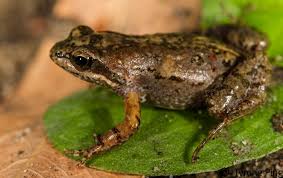 CacoCharacteristics: Size is between 2-2.5. Variable, bright green to brown. Common around marshland, temporary pools and pans. Types: Common Caco – Cacosternum boettgeriEnvironment & Biology12 November 2016
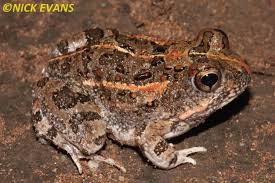 Dwarf Puddle Frog - Phrynobatrachus mababiensisCharacteristics: Size 2cm. Grey to brown, mottled with wart-like elevations on skin.Environment & Biology12 November 2016
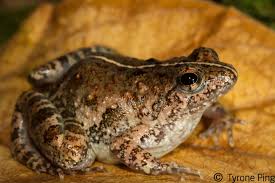 Snoring (Natal)) Puddle Frog - Phynobatrachus natalensisCharacteristics Measure between 2.5-3cm. Grey to brown, mottled with wart-like elevations on skin.Environment & Biology12 November 2016
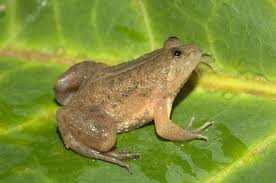 Puddle FrogsCharacteristics: Horizontal eye, no pads on toes. Often wih stripe down centre of back. Common in vleis and grassy pans. Types: Snoring (Natal)) Puddle Frog – Phynobatrachus natalensis Dwarf Puddle Fr...Environment & Biology12 November 2016
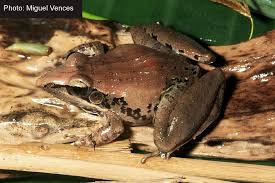 Dwarf Grass (Ridged) Frog - Ptychadena taeniosceusCharacteristics: Size is between 3-4cm. Brown with greenish-blue areas.Environment & Biology12 November 2016
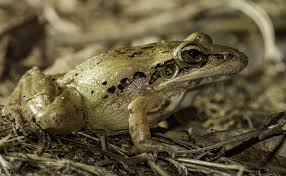 Broad-Banded Grass (Ridged) Frog - Ptychadena mossambicaCharacteristics: Size is between 4-5.5cm. Greenish-grey with darker spots.Environment & Biology12 November 2016
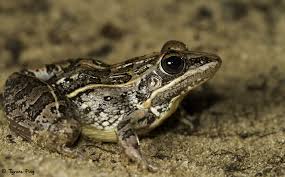 Striped (Three Striped Ridged) Frog - Ptychadena porosissimaCharacteristics Measure 4-5.5cm in length. Greenish-grey with darker spots.Environment & Biology12 November 2016
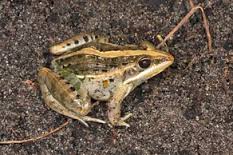 Specled Grass (Spot Bellied Ridge) Frog - Ptychadena subpunctataCharacteristics: Size 4-5.5cm. Mottled grey-brown.Environment & Biology12 November 2016
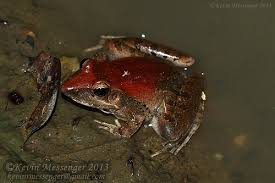 Plain Grass (Ridged) Frog - Ptychadena anchietaeCharacteristics: Measure 4-5.5cm. Plain brick red.Environment & Biology12 November 2016
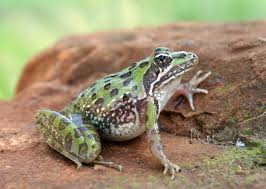 Common River Frog - Afracna angolensisCharacteristics: Size ranges from 4-8cm. Green or brown with dark spots, often strip down spine. Found around thick grass adjacent to perennial rivers, stream, vleis and dams.Environment & Biology12 November 2016
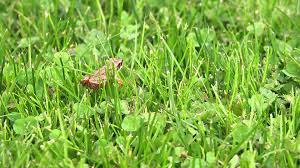 River & Grass FrogsCharacteristics: Angular body, smooth skin. Horizontal eye, no pads on toes. Grass frogs have ridges along back. Can be found in shallow vleis and pans in savannah grassland. Closely related family, i...Environment & Biology11 November 2016