








Environment & Biology
Reference articles, profiles and guides about Zimbabwe. 327 articles
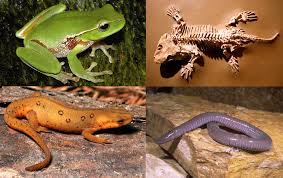 Amphibians found in ZimbabweAfrican Bullfrog Toads Cave Squeaker Highland Rain Frog Inyanga Toad Matetsi Reed Frog Inyanga River Frog Plantannas Shovel-Nosed Frogs Kassinas Reed & Foam Nest Frogs Rain Frogs Bull & Tree Frogs San...Environment & Biology11 November 2016
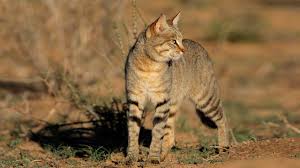 African WildcatType: Mammal Diet: Mice, rats and at times birds and athropods Order: Carnivora Size: Males measure 43 to 91 cm in body length, 23 to 40 cm in tail length. Females are slightly smaller, measuring 40 t...Environment & Biology10 November 2016
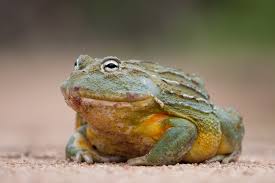 African BullfrogType: Amphibian Order: Anura Diet: Insects, small rodents, reptiles, small birds and other amphibians Size: Between 20 and 25cm Weight: Weight ranges from 1.5-2 kgs Protection Status: Least Concern Ge...Environment & Biology10 November 2016
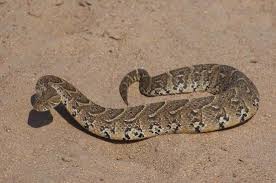 Puff AdderType: Reptile Diet: Rodents, birds, other snakes Size: Fat snake about 1,5m long Weight: Protection Status: Least Concern General Backgound: Responsible for more human bites in Africa than all other s...Environment & Biology10 November 2016
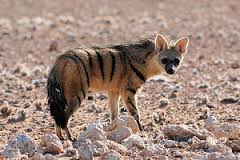 AardwolfType: Mammal Diet: Termites which it digs for in the ground and in termite mounds Size: The Aardwolf stands at 40-50 cm from the shoulder with a tail length of 20-25 cm and has a length of 55-80cm fro...Environment & Biology10 November 2016
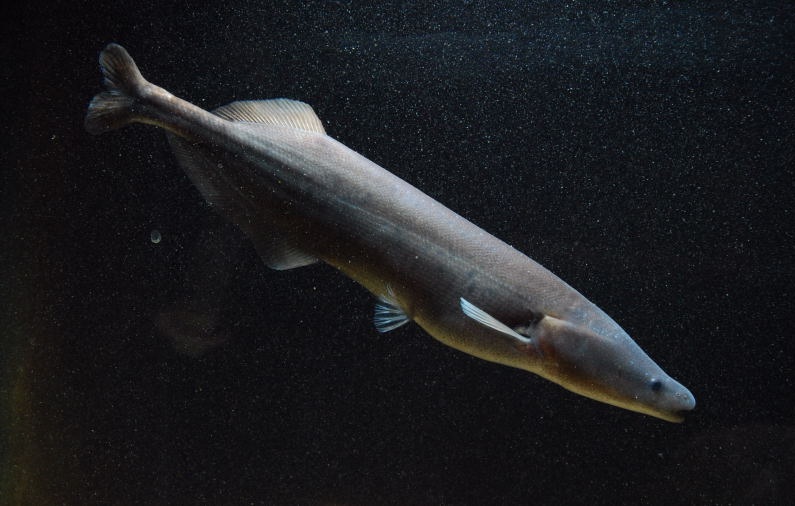 Cornish JackGeneral Background: When young Cornish Jack feed on invertebrate larvae and crustaceans and when older on a variety of fish species. The Cornish Jack resides in both peaceful lakes and in more turbule...Environment & Biology15 October 2016
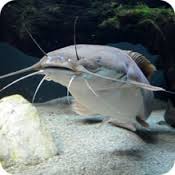 CatfishGeneral Background: Catfish are named for their prominent barbel’s which resemble a cat’s whiskers, they range in size and behavior from the heaviest and longest. The vundu is the largest freshwater s...Environment & Biology15 October 2016
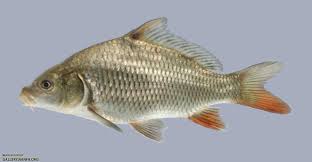 CarpCarp species found in Zimbabwe: Common carp Silver carp Grass carp Big head carp Crucian carpEnvironment & Biology15 October 2016
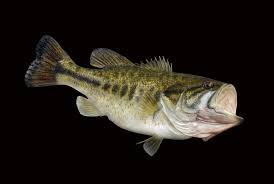 BassThe term bass encompasses both freshwater and marine species. Bass types found in Zimbabwe: Striped bass Large mouth bass Small mouth bass Spotted bassEnvironment & Biology15 October 2016
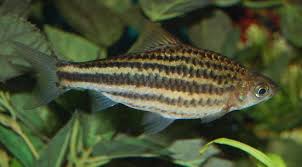 BarbsBarb species found in Zimbabwe: Broadstriped barb Hamilton barb Spottail barb Blackback barb Barotse barb Hyphen barb Shotfin barb Orangefin barb Red barb Yellow barb Straight fin Dashtail barbEnvironment & Biology15 October 2016
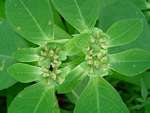 Euphorbiaceae-Euphorbia familyDescription of the family: Dioecious or monoecious herbs, shrubs or trees, sometimes succulent, spiny or unarmed, sometimes with milky latex. Hairs 0, simple, stellate or stinging. Stipules present or...Environment & Biology15 October 2016
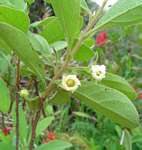 Ebenaceae-Ebony familyDescription of the family: Trees, shrubs or suffrutices. Stipules 0. Leaves simple, usually alternate (sometimes opposite, subopposite or whorled in some spp. of Euclea) and entire. Flowers actinomorp...Environment & Biology15 October 2016
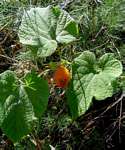 Cucurbitaceae-Cucumber familyDescription of the family: Climbing or prostrate, annual or perennial, monoecious or dioecious, herbs, less often woody lianes, rarely erect herbs without tendrils. Leaves alternate, palmately veined....Environment & Biology15 October 2016
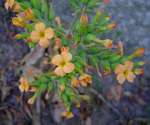 Crassulaceae-Crassula familyDescription of the family: Annual, biennial or perennial herbs, subshrubs or shrubs, succulent. Stipules 0. Leaves opposite, whorled or alternate, usually simple, sometimes compound. Inflorescence con...Environment & Biology15 October 2016
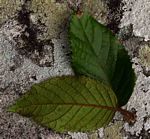 Cornaceae-Dogwood familyDescription of the family: Trees or shrubs. Leaves opposite, simple; margin entire or serrate. Stipules 0. Flowers bisexual (Curtisia) or unisexual (Afrocrania), actinomorphic, arranged in panicles (C...Environment & Biology15 October 2016
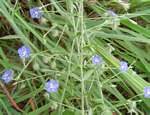 Convolvulaceae-Morning-glory familyDescription of the family: Herbs or shrubs, sometimes with latex, usually twining or prostrate, less often erect, sometimes parasitic with leaves reduced to scales (Cuscuta). Stipules 0, but stipule-l...Environment & Biology15 October 2016
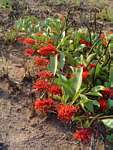 Combretaceae-Combretum familyDescription of the family: Trees, shrubs, suffrutices or woody climbers. The indumentum of scales and/or hairs is taxonomically distinctive (although microscopic). Leaves simple, opposite, whorled, su...Environment & Biology15 October 2016
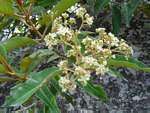 Clusiaceae- Mangosteen familyDescription of the family: Trees, shrubs or herbs, sometimes with coloured latex. Stipules 0. Leaves opposite, rarely subopposite, or whorled, simple, often gland-dotted; margin entire. Flowers bisexu...Environment & Biology15 October 2016
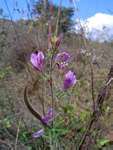 Capparaceae-Caper familyDescription of the family: Usually woody plants, i.e. shrubs, trees or climbers, less often herbs (Cleome). Stipules 0 or incompletely developed, rarely spiny (Capparis). Leaves alternate, simple or d...Environment & Biology15 October 2016
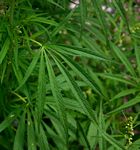 Cannabaceae-Dagga familyDescription of the family: Erect, annual, aromatic herb (in ours). Latex 0. Stipules present. Leaves alternate or opposite, digitately 3-7(-11)-foliolate (in ours), the leaflets with a serrate margin....Environment & Biology15 October 2016
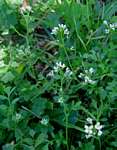 Brassiaceae-Cabbage familyDescription of the family: Annual, biennial or perennial herbs. Stipules 0. Leaves alternate. Flowers in racemes, usually bisexual, hypogynous, actinomorphic. Sepals 4, free, in 2 series. Petals 4 (ra...Environment & Biology15 October 2016
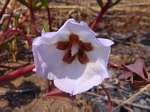 Boraginaceae- Borage familyDescription of the family: Herbs, shrubs or trees, often hispid or scabrid. Stipules 0. Leaves alternate, rarely opposite or subopposite, simple. Inflorescence usually a cyme, which is often scorpioid...Environment & Biology15 October 2016
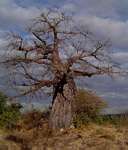 Bombacaceae-Baobab familyDescription of the family: The following description refers to Adansonia only. Tree, with an extraordinary swollen trunk. Stipules present, deciduous. Leaves alternate, simple (in young trees) or digi...Environment & Biology15 October 2016
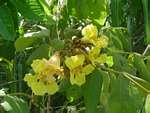 Bignoniaceae-Jacaranda familyDescription of the family: Climbers (Podranea and Macfadyena), trees or shrubs. Stipules 0, but pseudostipules present in Markhamia. Leaves opposite (rarely in whorls of 3 in Kigelia), usually compoun...Environment & Biology15 October 2016