







Environment & Biology
Reference articles, profiles and guides about Zimbabwe. 327 articles
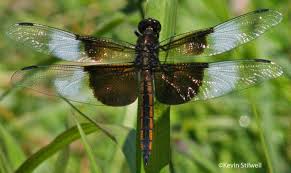 Dragonflies & DamselfliesDragonflies and damselflies both belong to the order Odonata. All odonates share certain characteristics, including membranous wings, large eyes, slender bodies, and small antennae. Conversely, there....Environment & Biology30 November 2016
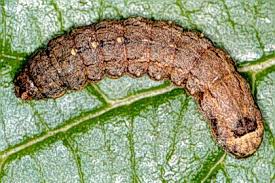 CutwormCutworms are moth larvae that hide under litter or soil during the day, coming out in the dark to feed on plants. A larva typically attacks the first part of the plant it encounters, namely the stem,....Environment & Biology30 November 2016
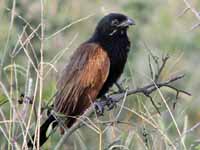 CoucalA coucal is one of about 30 species of birds in the cuckoo family. Unlike many Old World cuckoos, coucals are not brood parasites. On the other hand they do have their own reproductive peculiarity: al...Environment & Biology30 November 2016
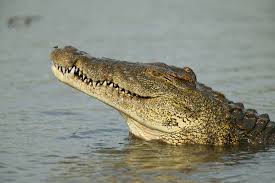 CrocodileOther Names Nile Crocodile Garwe (Shona) Ngewna (Shona) Ingwenya (Ndebele) Type: Reptile Order: Crocodilia Diet: What a crocodile eats varies with species, size and age. Crocodiles mainly eat fish, am...Environment & Biology30 November 2016
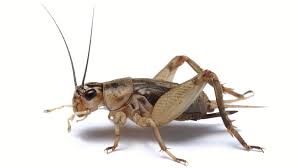 Cricket (True Cricket)Crickets (also known as "true crickets"), of the family Gryllidae, are insects related to bush crickets, and, more distantly, to grasshoppers. The Gryllidae have mainly cylindrical bodies, round heads...Environment & Biology28 November 2016
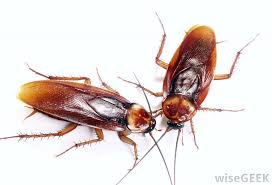 CockroachesCockroaches are insects of the order Blattodea, which also includes termites. About 30 cockroach species out of 4,600 are associated with human habitats. About four species are well known as pests. Th...Environment & Biology26 November 2016
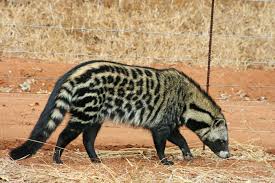 CivetsType: Mammal Order: Carnivore Diet: Their diet includes carrion, rodents, birds, eggs, reptiles, frogs, crabs, insects, fruits, and other vegetation. Poultry and young lambs are sometimes taken. Size:...Environment & Biology26 November 2016
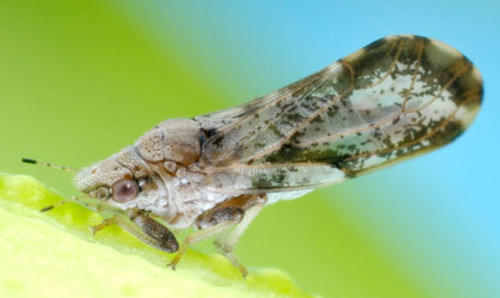 Citrus PsyllidThe African citrus psyllid, Trioza erytreae, is a sap-sucking insect, a hemipteran bug in the family, Triozidae. It is an important pest of citrus being one of only two known vectors of the serious ci...Environment & Biology26 November 2016
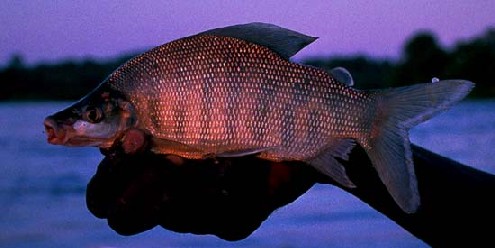 ChessaChessa (Distichodus schenga) The Chessa is very similar in appearance to the Nkupe and enjoys similar conditions. This causes confusion amongst new anglers. The Chessa will eat small fish, insects and...Environment & Biology17 November 2016
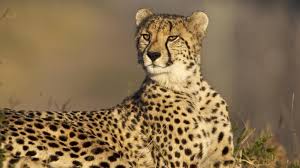 CheetahNames: Cheetah, Hlosi (isiNdebele), Dindingwe or Ingwe (Shona) Type: Mammal Order: Carnivore Diet: Small to Medium antelope like duiker Size: Length 1.1 to 1.4 m, Tail 65 to 80 cm, Shoulder length 80c...Environment & Biology17 November 2016
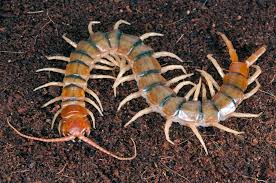 CentipedesCentipedes are arthropods belonging to the class Chilopoda of the subphylum Myriapoda. They are elongated metameric creatures with one pair of legs per body segment. Centipedes are known to be highly....Environment & Biology17 November 2016
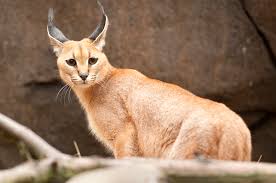 CaracalName: Caracal or African Lynx Type: Mammal Diet: Sand Rats, Ground Squirrel and Rock Hyrax, at times it feeds on Reedbuck and Duiker. Order: Carnivora Size: Medium sized wildcat that is about 1m long....Environment & Biology17 November 2016
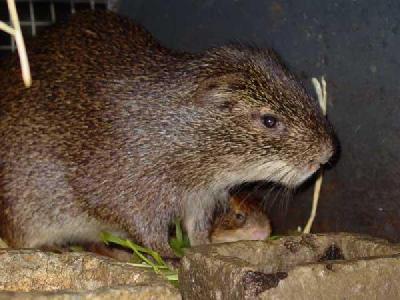 CaneratsType: Mammal Order: Rodentia Diet: Aquatic grasses Size: Weight: Protection Status: Least Concern General Backgound: There are two species found in Zimbabwe: Greater cane rat Lesser cane rat. They are...Environment & Biology16 November 2016
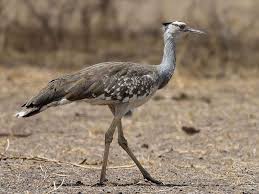 BustardsType: Aves Order: Gruiformes Diet: Omnivorous Size: Weight: Protection Status: Least Concern General Background: Bustards are large terrestrial birds mainly associated with dry open country. They are....Environment & Biology16 November 2016
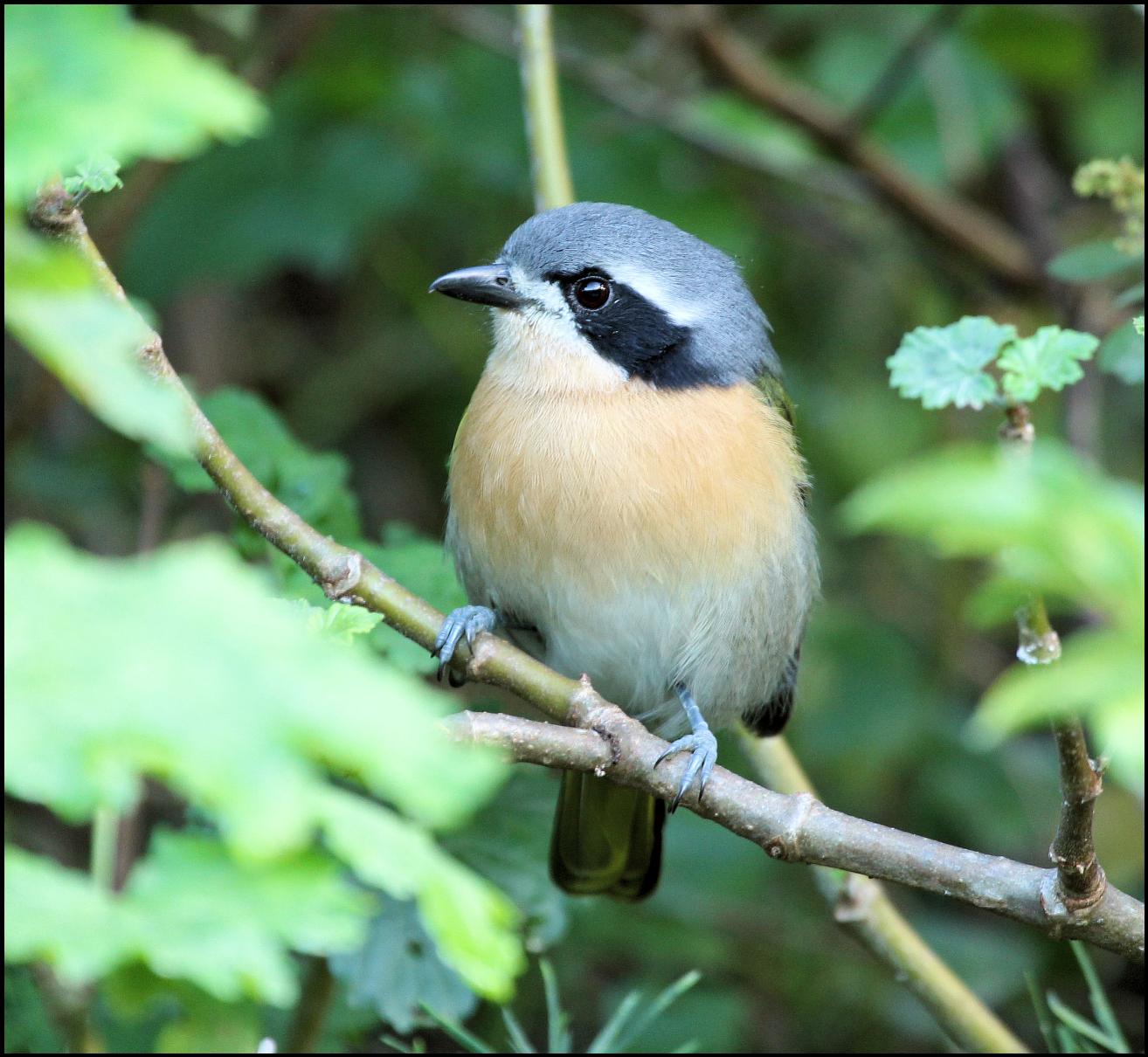 BushshrikesType: Aves Diet: Bushshrike diets consist mainly of large insects, but occasionally may include wild fruits and berries and sometimes rodents. They catch their prey by gleaning among tree foliage. Siz...Environment & Biology16 November 2016
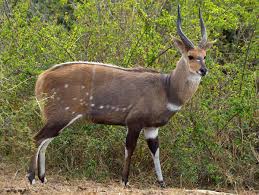 BushbuckOther Name: Imbalaba Type: Mammal Diet: Bushbucks are mainly browsers, but on rare occasions will consume grass. They are selective feeders, but during hardship they are able to adapt their feeding ha...Environment & Biology16 November 2016
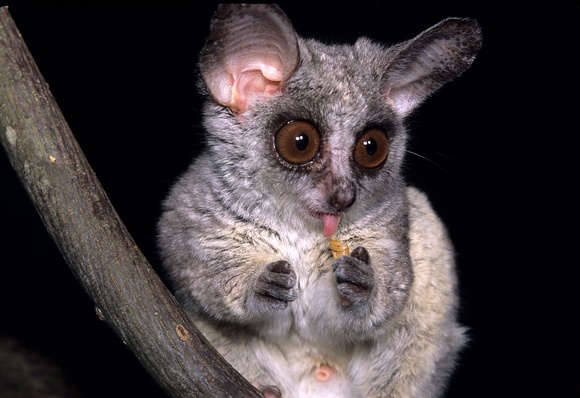 BushbabiesType: Mammal Diet: Tree gum and insects Size: Weight: Protection Status: Least Concern General Background: Bushbabies or Galagos are small, tree-dwelling nocturnal primates. There are about 17 species...Environment & Biology16 November 2016
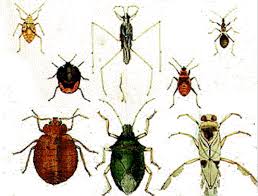 BugsThe Hemiptera or true bugs are an order of insects comprising some 50,000 to 80,000 species of groups such as the cicadas, aphids, planthoppers, leafhoppers, and shield bugs. They range in size from 1...Environment & Biology15 November 2016
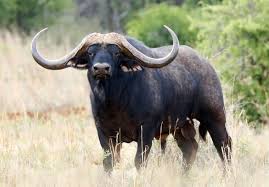 BuffaloBuffalos are part of the Big Five animals in Zimbabwe which includes the lion, elephant, rhinoceros and the leopard. Size: Shoulder height ranges from 1 to 1.7 m and head-and-body length ranges from 1...Environment & Biology15 November 2016
- Bubi RiverLocation: The Bubi River or Bubye River is a tributary of the Limpopo river in Beitbridge District and Gwanda District. Description: Background:Environment & Biology15 November 2016
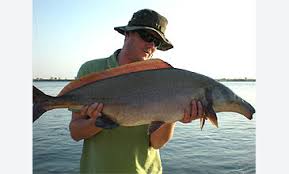 BottlenoseEastern Bottlenose ( Mormyrus longirostris) The Eastern Bottlenose is aptly named because of its elongated snout. It has a tiny mouth, so needs to be caught on small hooks with worms as bait. This spe...Environment & Biology14 November 2016
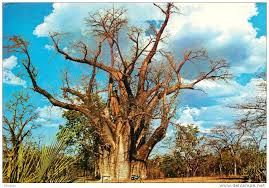 Big Tree1.The Red Mahogany in the Chirinda Rain Forest The Big Tree in Chirinda Forest is the tallest native or indigenous tree in Zimbabwe, and a declared National Monument. The tree is 65 m tall and measure...Environment & Biology14 November 2016
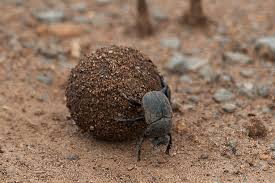 BeetlesBeetles are a group of insects that form the order Coleoptera. Most beetles have two pairs of wings, the front pair, the "elytra", being hardened and thickened into a shell-like protection for the rea...Environment & Biology13 November 2016
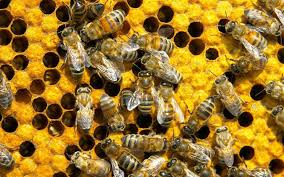 BeesBees are flying insects closely related to wasps and ants, known for their role in pollination and, in the case of the best-known bee species, the European honey bee, for producing honey and beeswax.....Environment & Biology13 November 2016